
At a Glance:
Start With How You’ll Actually Use the System
Wired vs. Wireless Home Audio: What’s the Real Difference?
Active vs. Passive Speakers: What Homeowners Should Know
DIY vs. Professional Home Audio Installation
Home audio used to be simple. You bought a receiver and a couple of speakers, ran some wires along the baseboards, and called it a day. That still works in some cases, but most homeowners today want more than just “sound coming out of a box.”
They want music in multiple rooms and clean walls without visible cables. They want audio that works with their TV, phone, and smart home system. And they want it to sound good without constantly fiddling with settings.
That’s where proper home audio installation starts to feel less like a hobby project and more like an appliance upgrade. It's a project you plan once, execute flawlessly, and enjoy daily.
Before cutting holes in drywall or ordering speakers online, there are a few important things to understand. The choices you make early on affect sound quality, reliability, and how future-proof your system really is.
Bring the Best Sound Home
If you're considering upgrading your home's sound system, be sure to talk to the experts at Desco AV. We'll guide you through brand options and installation planning, ensuring you love the final result.
Home Audio SolutionsLearn More: Benefits of Installing In-Wall Speakers
Start With How You’ll Actually Use the System
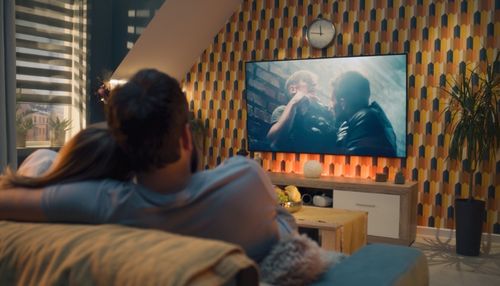
The biggest mistake people make with home audio is planning around gear instead of behavior.
Before you think about speakers or brands, ask a few basic questions:
- Where will you listen most often?
- Is this mainly for music, TV, movies, or all three?
- Do you want audio in one room or throughout the house?
- Will multiple people use it, or mostly one?
Someone who listens to background music while cooking needs a very different setup than someone building a surround sound media room. Whole-home audio distribution sounds appealing, but it only works well when it matches how the home is used day to day.
Taking time to map out listening habits makes every technical decision easier later.
Room Layout Matters More Than Most People Think
Sound behaves differently in every space. Ceiling height, room shape, furniture, and wall materials all play a role.
A large open-concept living area may need more speakers spread evenly to avoid hot spots and dead zones. A smaller enclosed room might sound better with fewer speakers placed carefully.
Before installing anything, it’s worth understanding basic speaker planning principles. Crutchfield has a helpful overview on planning stereo systems that applies just as well to whole-home setups.
Good sound isn’t about volume. It’s about balance. When speakers are placed correctly, you don’t notice where the sound is coming from. It just fills the room naturally.
Wired vs. Wireless Home Audio: What’s the Real Difference?
This is one of the most common questions homeowners ask.
Wireless home audio sounds appealing because it seems simpler. Wireless systems offer the advantages of no cables, faster setup times, and ease of mobility. For apartments or small spaces, wireless systems can work well.
But wireless doesn’t mean “no wires.” Speakers still need power, and wireless signals can be affected by Wi-Fi congestion, walls, and interference.
Wired home audio requires more planning upfront, but it’s more reliable long-term. Wired systems:
- Deliver consistent sound quality
- Don’t depend on Wi-Fi stability
- Scale better for whole-home audio distribution
- It is easier to integrate into custom setups.
For homeowners who want permanent, high-quality audio throughout the house, wired systems are still the gold standard. Wireless components can be layered in later where they make sense.
Whole-Home Audio Distribution Explained Simply
Whole-home audio distribution means controlling music in multiple rooms from a single system. Each room can play the same thing or something different, depending on how it’s set up.
The key benefit is simplicity. Instead of juggling separate speakers and apps, everything runs through one interface.
A well-designed system allows:
- Independent volume control per room
- Grouping rooms together
- Integration with TVs and surround sound zones
- Easy expansion later
This is where professional planning really shines. Without it, systems tend to become confusing or underpowered.
In-Wall vs. In-Ceiling Speakers
Choosing between in-wall and in-ceiling speakers often comes down to room layout and aesthetics.
In-wall speakers
- Great for dedicated listening rooms
- Offer more direct sound
- Works well for surround sound setups
- Require wall space and careful placement
In-ceiling speakers
- Ideal for whole-home audio
- More discreet visually
- Better for background music
- Easier to distribute evenly across large areas
Many homes use a mix of both. Many homeowners use in-ceiling speakers for general audio and in-wall speakers for TV/media rooms.
If you want a deeper look at why in-wall speakers are so popular, this breakdown explains the benefits clearly.
Active vs. Passive Speakers: What Homeowners Should Know

Active vs. passive is another decision that affects wiring and equipment choices.
Active speakers have built-in amplifiers. They’re simpler to set up but usually limited in scalability. They work best for smaller systems or single-room solutions.
Passive speakers require external amplification. They’re more flexible, easier to upgrade, and better suited for whole-home audio systems.
Most professionally installed home audio systems rely on passive speakers paired with centralized amplifiers. It keeps equipment organized and allows future expansion without replacing speakers.
Cable Management Is Not Just About Looks
Good cable management does more than hide wires; it:
- Reduces signal interference
- Prevents wear and damage
- Makes future servicing easier
- Keeps systems compliant with building codes
Running cables inside walls, using proper conduits, and labeling connections may seem boring, but they’re what separate clean, reliable installations from messy ones that cause problems later.
DIY installs often overlook this step, which can lead to buzzing sounds, loose connections, or difficult upgrades down the road.
Surround Sound Needs Its Own Planning
Surround sound is more than adding extra speakers.
Speaker height, distance, and angle all matter. Poor placement can actually make movies sound worse, even with expensive equipment.
A proper surround sound system does the following:
- Matches speaker types across channels
- Places speakers at correct listening heights
- Integrates seamlessly with the display
- Balances volume and timing precisely
This is one area where professional home audio installation usually delivers a noticeable difference. Getting it right the first time saves a lot of frustration.
DIY vs. Professional Home Audio Installation

DIY audio can be fun, especially for simple setups. But complexity adds up quickly.
DIY works best when:
- It’s a single room
- No walls need to be opened
- Wireless or powered speakers are used
- You’re comfortable troubleshooting issues
Professional installation makes sense when:
- Multiple rooms are involved
- Speakers are in-wall or in-ceiling
- Clean cable management matters
- Integration with smart home systems is planned
A professional home audio installer doesn’t just mount speakers. They design the system around the home and how it’s used.
Companies like DESCO Audio & Video specialize in residential solutions that balance performance with long-term reliability. Our home audio systems are designed to scale, integrate, and disappear into the background when not in use.
Common Mistakes to Avoid
A few mistakes show up again and again:
- Buying speakers before planning placement
- Underestimating wiring needs
- Mixing incompatible components
- Skipping professional calibration
- Planning only for today, not future upgrades
Even experienced DIYers run into issues when systems grow beyond a single room. Taking time to plan avoids redoing work later.
Integration With Smart Home Technology
Modern home audio systems don’t live in isolation.
They can connect with smart lighting, voice assistants, automated scenes, security, and occupancy sensors. For example, music can automatically lower when the doorbell rings or pause when a phone call comes in. These details turn audio into part of the home’s rhythm instead of a separate gadget. Planning for integration early prevents limitations later.
Long-Term Performance Depends on Planning
Audio systems should last years, not months.
Good planning ensures:
- Consistent sound quality
- Easy expansion
- Minimal maintenance
- Better resale appeal
A well-installed home audio system feels effortless. It turns on when you want it, sounds good at any volume, and doesn’t require constant attention. That’s what appliance-style upgrades are really about.
Frequently Asked Questions
At minimum, you’ll need speakers, amplification, a source (like streaming services, TV, or a turntable), and proper wiring. Larger or whole-home systems also require audio distribution hardware and a control interface so everything works together smoothly.
For multi-room setups, in-wall or in-ceiling speakers, or smart home integration, hiring a professional usually leads to better sound and fewer problems down the road. A professional home audio installer also helps avoid costly mistakes and plans the system so it can grow with your needs.
Wired systems offer better reliability, sound consistency, and long-term scalability, especially for whole-home audio distribution. Wireless systems are convenient and flexible but can run into issues with connectivity, interference, or network congestion over time.
Yes, as long as the system is designed with future expansion in mind. Proper wiring, equipment selection, and cable management make it much easier to add rooms, upgrade speakers, or integrate new technology later on.
Final Thoughts
Home audio installation is one of those upgrades that quietly improves daily life. Music follows you through the house. Movies sound fuller. Entertaining feels easier.
But good results don’t come from buying random components and hoping they work together. They come from planning, understanding your space, and choosing the right approach from the start.
If you’re exploring options or want help designing a system that fits your home, reaching out to a professional team makes the process much easier. When done right, home audio isn’t something you think about. It’s just there, working, sounding great, and making the house feel more alive.
Why Trust Desco AV?
When you choose Desco AV, you're placing your trust in a family-owned legacy spanning over 50 years, where our mission to deliver exceptional audio-video experiences through innovative design and unwavering personal service guides every project, from custom smart homes to commercial integrations. Rooted in Olympia, WA, we've earned our reputation by evolving with technology while honoring the human connections that started it all: founders Dick Scott and Gene DeRousie built Desco on passion and quality in 1969, Jeffrey Scott expanded it with charismatic expertise and lifelong customer bonds, and now third-generation leader Marie Di Scala upholds that tradition with forward-thinking vision. Our core values, craftsmanship in every installation, reliability you can count on, and genuine relationships that feel like family, ensure we don't just meet expectations; we exceed them, making every space in the South sound and feel truly exceptional, because your trust is what we've built our home on.